Projects
Sustainable lodge
Max Maia created movements with the communities that favored the local economy, it was the continuous observation of the customs of his roots that helped him create sustainable projects, and activities that today are selected to compose the lodge’s ecotourism packages. Inserting the resident of the community into the lodge project, and training them to do so, was gratifying. He revealed talents and enhanced the services provided by the team.
From the reception, cooks, waiters and maids, all have an effective contract, and are residents of nearby communities.
The tours involve visiting local communities and, due to the distance from the lodge to Manaus, our involvement with each family goes beyond working with tourism, we have contributed to the local economy, as this partnership allows us to purchase fresh products, vegetables and fruits from from the plantations of neighboring communities, as well as fresh fish that, for the most part, are ordered directly from the fishermen in the region.
All activities are conducted by our specialized guides, however, our “woodsman” resident of the community is always together, guiding, helping, collaborating so that everything is being presented in a natural way, and that the experience of our visitors is authentic.
Sustainability and Social Projects on the Mamori River
We are committed to social actions that benefit the residents of the Lago do Tracajá Community, and the development of tourism in the Mamori River region.
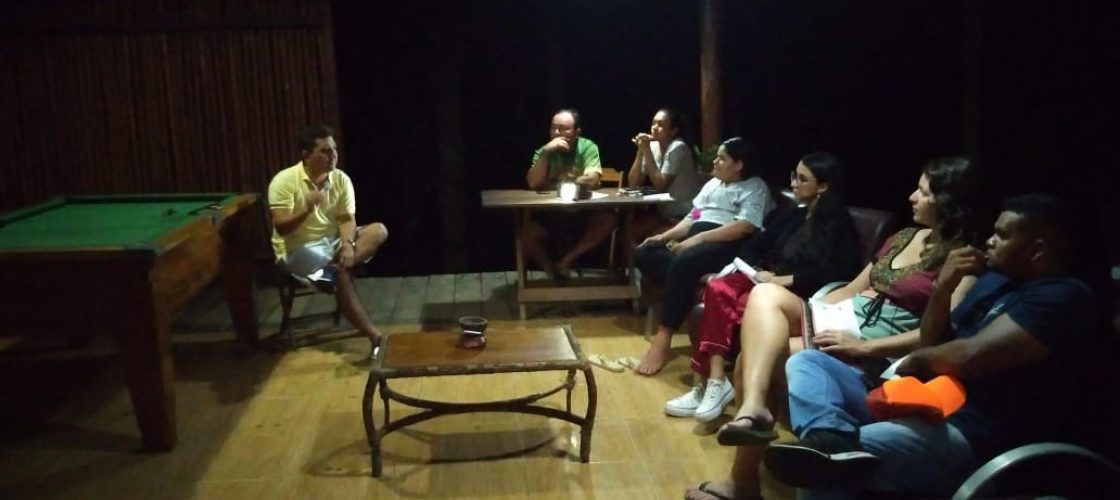
Families living in the surroundings of the lodge are included in social inclusion projects and participate in training courses, professional training, ideas for the reuse of solid waste, entertainment and health. With this, residents add new options for family subsistence to their daily lives, conscious of environmental sustainability.
We want to continue projects that value locals, and give young people the opportunity to learn a second language, and practice with foreign visitors staying at the Amazon Turtle Lodge.
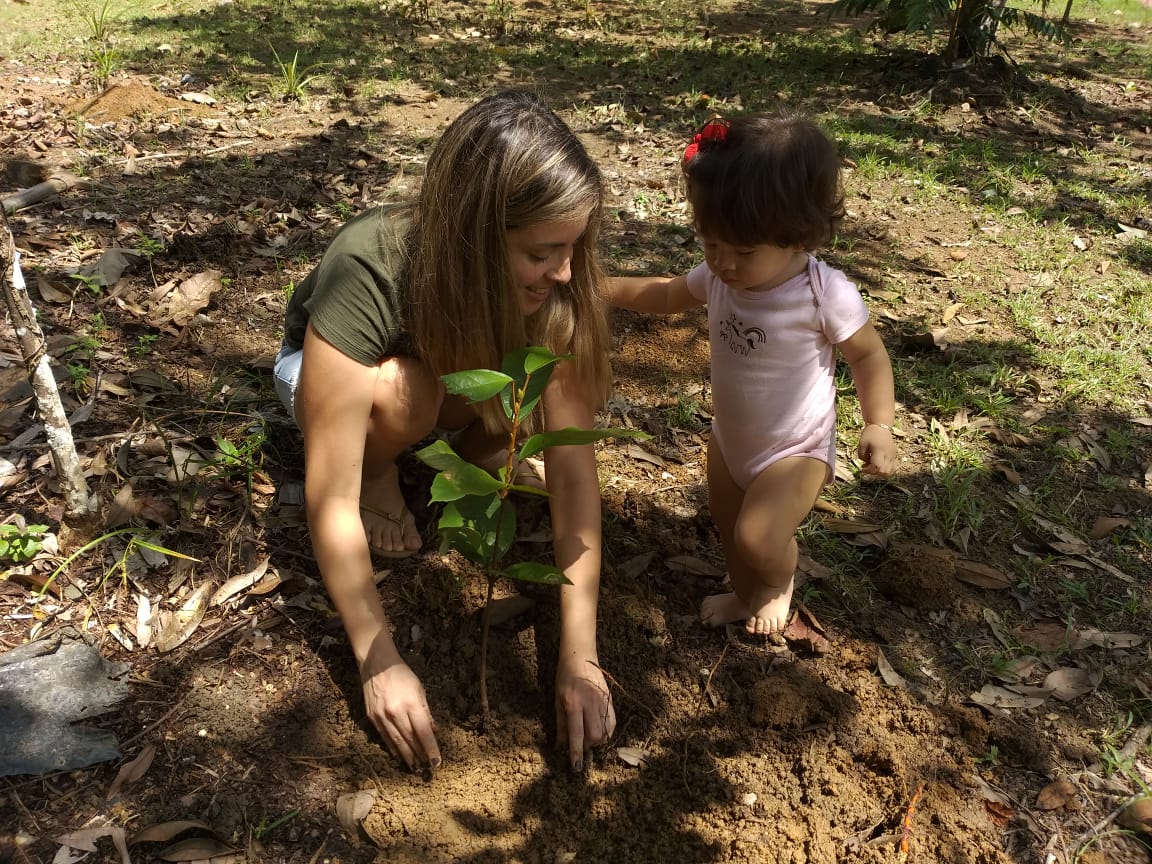
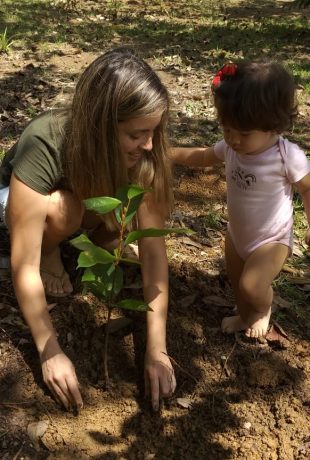
We aim to help schools in the communities we visit, teaching children the importance of preserving the environment, teaching the importance of communication, organization, cleaning, etc…
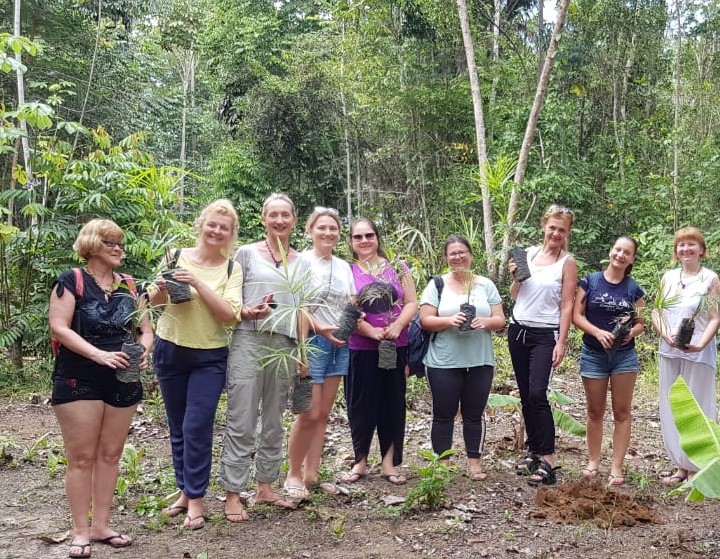
To recognize the forest, cultural exchange, practices of empirical knowledge, such as receiving our visitors and motivating the practice of ecological tourism in the region.
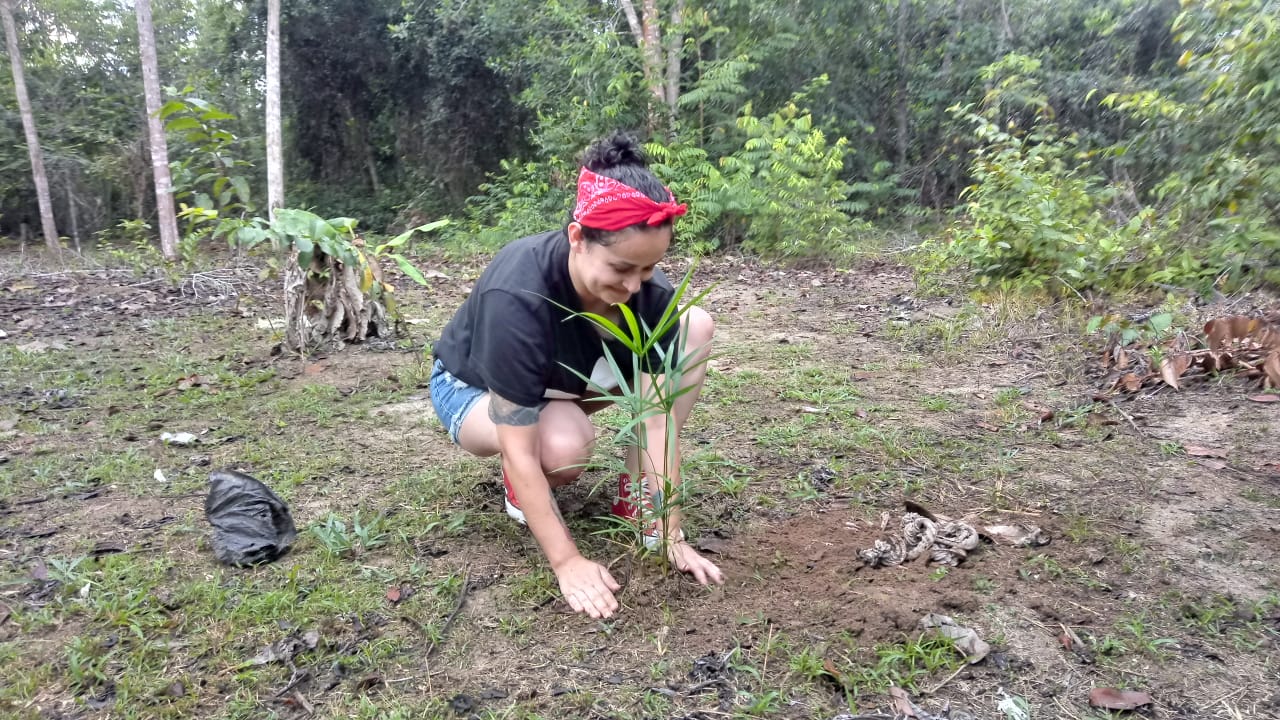
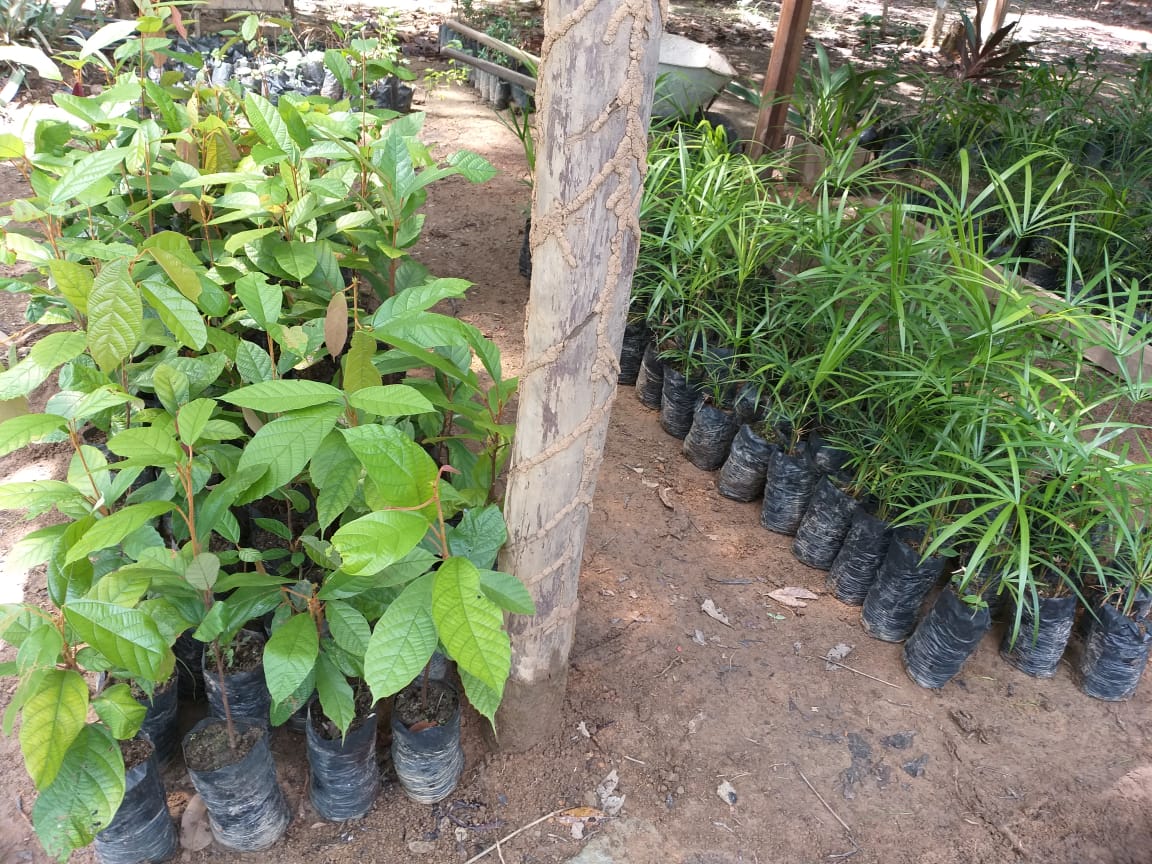
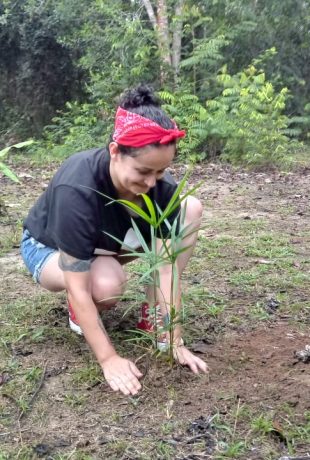
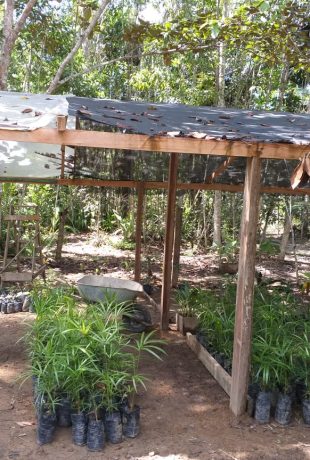
We will create spaces with gardens in the backyard, to produce organic foods typical of the region, teaching planting techniques without harming nature.